Managing finances is one of the most critical responsibilities for any business. Whether you are a freelancer, small business owner, or running a growing company, how you handle your bookkeeping can directly impact your efficiency, accuracy, and long-term success.
In 2026, businesses face an important choice: should they stick with traditional manual bookkeeping methods or switch to modern accounting software? Each approach has its own advantages and limitations, and the best choice depends on your business size, complexity, and goals.
This comprehensive guide explores the differences between accounting software and manual bookkeeping, comparing their features, benefits, costs, and suitability to help you make the right decision.
Understanding Manual Bookkeeping
What Is Manual Bookkeeping?
Manual bookkeeping refers to recording financial transactions by hand, typically using physical ledgers, spreadsheets, or basic tools. This method has been used for centuries and remains common among very small businesses and freelancers.
How Manual Bookkeeping Works
In manual bookkeeping, you:
- Record transactions manually
- Track income and expenses
- Calculate totals and balances
- Prepare financial reports by hand or using spreadsheets
Tools Used in Manual Bookkeeping
Common tools include:
- Paper ledgers
- Microsoft Excel or Google Sheets
- Calculators
Understanding Accounting Software
What Is Accounting Software?
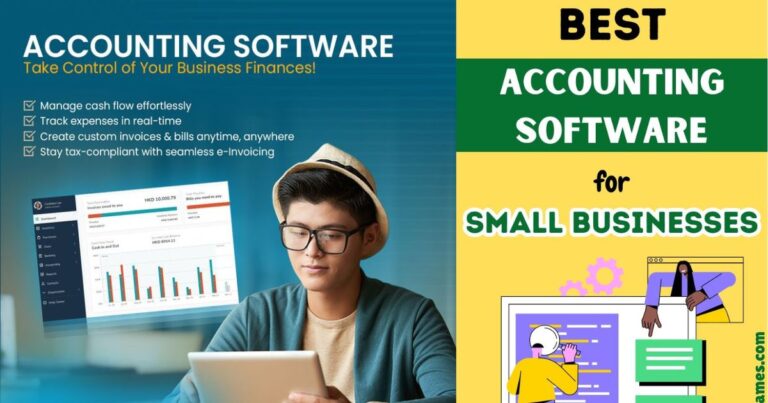
Accounting software is a digital solution designed to automate and manage financial tasks. These platforms handle everything from invoicing and expense tracking to reporting and tax preparation.
How Accounting Software Works
Accounting software typically:
- Connects to bank accounts
- Automatically imports transactions
- Categorizes expenses
- Generates financial reports
Types of Accounting Software
- Cloud-based solutions
- Desktop applications
- Enterprise systems
Key Differences Between Accounting Software and Manual Bookkeeping
Automation vs Manual Entry
Manual bookkeeping requires entering every transaction by hand, which can be time-consuming. Accounting software automates most of these processes.
Accuracy and Error Reduction
Manual methods are prone to human error, while software reduces mistakes through automation and built-in checks.
Time Efficiency
Accounting software saves significant time by automating repetitive tasks.
Accessibility
Manual records are usually stored in one location, while cloud-based software allows access from anywhere.
Scalability
Manual bookkeeping becomes difficult as a business grows, whereas accounting software scales easily.
Advantages of Manual Bookkeeping
Low Initial Cost
Manual bookkeeping requires minimal investment, making it accessible for startups and small businesses.
Simplicity
For very small operations with few transactions, manual bookkeeping can be straightforward and easy to manage.
Full Control
You have complete control over how data is recorded and managed.
No Dependency on Technology
Manual systems do not rely on internet access or software tools.
Disadvantages of Manual Bookkeeping
Time-Consuming
Recording transactions manually takes significant time, especially as your business grows.
Higher Risk of Errors
Human error can lead to incorrect financial records.
Limited Reporting Capabilities
Generating detailed financial reports manually is difficult and time-intensive.
Lack of Real-Time Insights
Manual systems do not provide instant access to financial data.
Advantages of Accounting Software
Automation
Accounting software automates repetitive tasks such as:
- Data entry
- Expense tracking
- Bank reconciliation
Improved Accuracy
Built-in validation reduces the risk of errors.
Real-Time Financial Insights
Dashboards provide up-to-date information on:
- Cash flow
- Profit and loss
- Expenses
Scalability
Accounting software grows with your business, supporting more transactions and users.
Integration
Most platforms integrate with:
- Payment systems
- CRM tools
- E-commerce platforms
Disadvantages of Accounting Software
Cost
Subscription fees can be a concern for small businesses.
Learning Curve
Some platforms require time to learn and set up.
Internet Dependency
Cloud-based solutions require internet access.
Data Security Concerns
Although generally secure, businesses must trust providers with sensitive data.
Cost Comparison
Manual Bookkeeping Costs
- Minimal upfront cost
- Time investment (hidden cost)
- Potential cost of errors
Accounting Software Costs
- Monthly or annual subscription
- Add-ons and integrations
- Training and setup costs
Total Cost of Ownership
While manual bookkeeping appears cheaper, the long-term cost of time and errors can be higher than using software.
Accuracy and Reliability
Manual Bookkeeping Accuracy
Accuracy depends entirely on the person handling the records.
Accounting Software Accuracy
Automation and built-in checks improve reliability and consistency.
Time and Productivity
Manual Bookkeeping
Time-consuming and repetitive tasks reduce productivity.
Accounting Software
Automation frees up time for strategic activities.
Scalability and Growth
Manual Bookkeeping Limitations
As transaction volume increases, manual systems become inefficient.
Accounting Software Scalability
Software solutions can handle large volumes of data and multiple users.
Reporting and Insights
Manual Reporting
Requires manual calculations and preparation.
Software Reporting
Provides instant reports and analytics.
Compliance and Tax Preparation
Manual Bookkeeping
Preparing taxes manually can be complex and stressful.
Accounting Software
Simplifies tax preparation by organizing data and generating reports.
Security Considerations
Manual Bookkeeping
- Risk of physical damage or loss
- Limited backup options
Accounting Software
- Data encryption
- Cloud backups
- Access controls
Which Option Is Better for Different Businesses?
Freelancers and Solopreneurs
Manual bookkeeping may work for very simple finances, but software is recommended for efficiency.
Small Businesses
Accounting software is usually the better choice due to automation and reporting features.
Growing Companies
Software is essential for managing complexity and scaling operations.
Large Businesses
Manual bookkeeping is not practical; advanced accounting systems are required.
When to Switch from Manual to Accounting Software
Signs You Need to Upgrade
- Increasing transaction volume
- Frequent errors
- Difficulty tracking finances
- Lack of financial insights
Benefits of Switching
- Improved efficiency
- Better decision-making
- Reduced workload
Hybrid Approach: Combining Both Methods
Some businesses use a hybrid approach:
- Software for automation
- Manual checks for accuracy
This approach can provide balance but may not be necessary for most businesses.
Common Mistakes to Avoid
Sticking with Manual Methods Too Long
Delaying the switch can limit growth and efficiency.
Choosing the Wrong Software
Selecting software that doesn’t meet your needs can cause frustration.
Ignoring Training
Lack of training reduces the effectiveness of accounting tools.
Future Trends in Accounting
Automation and AI
AI is transforming accounting by:
- Predicting trends
- Automating tasks
Cloud-Based Solutions
Cloud accounting continues to dominate due to flexibility and accessibility.
Real-Time Financial Management
Businesses increasingly rely on real-time data for decision-making.
Final Verdict
When Manual Bookkeeping Is Better
- Very small businesses
- Minimal transactions
- Limited budget
When Accounting Software Is Better
- Growing businesses
- Complex financial needs
- Need for automation and insights
In most cases, accounting software is the better choice for modern businesses due to its efficiency, accuracy, and scalability.
Conclusion
Choosing between accounting software and manual bookkeeping is a critical decision that can impact your business operations and growth. While manual bookkeeping may work for very small businesses, accounting software offers significant advantages in terms of automation, accuracy, and scalability.
As businesses continue to evolve in 2026, the trend is clear: digital solutions are becoming the standard for financial management. By adopting accounting software, you can streamline your processes, reduce errors, and focus on growing your business.
Ultimately, the best choice depends on your specific needs, but for most businesses, investing in accounting software is a smart and future-proof decision.